" height="20px" id="Q7YDnZ_kP" width="77.99999574977083px"/></g></svg>)
Types of corporate events: a complete guide for businesses
Discover the different types of corporate events that can transform your company culture and how to choose the most suitable one according to your goals.
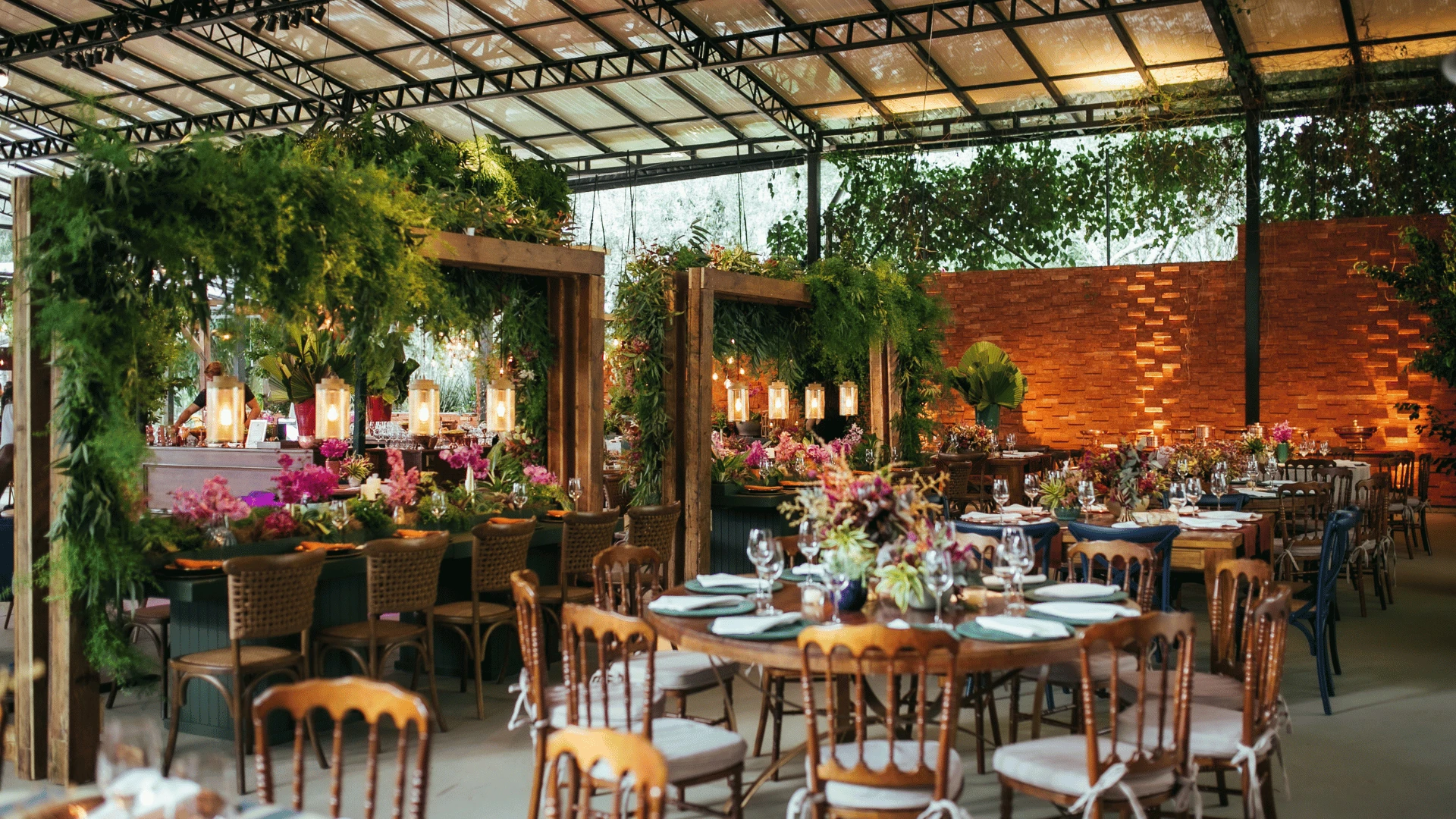
Table of contents
Every corporate event has a different purpose
Corporate events have stopped being an optional expense to become a strategic tool. According to data from the MICE sector in Spain, revenue exceeded 14 billion euros in 2024, with sustained annual growth of 7%. And it's no coincidence: 85% of companies use events to improve employee engagement, reinforce relationships with clients, and consolidate their internal culture.
But not all events serve the same purpose. A team building doesn't fulfil the same function as a sales convention, and confusing formats can mean investing time and budget in something that doesn't meet your real need. This guide will help you identify what type of corporate event you need based on your objectives, with practical examples and indicative investment ranges.
Internal events: the engine of culture
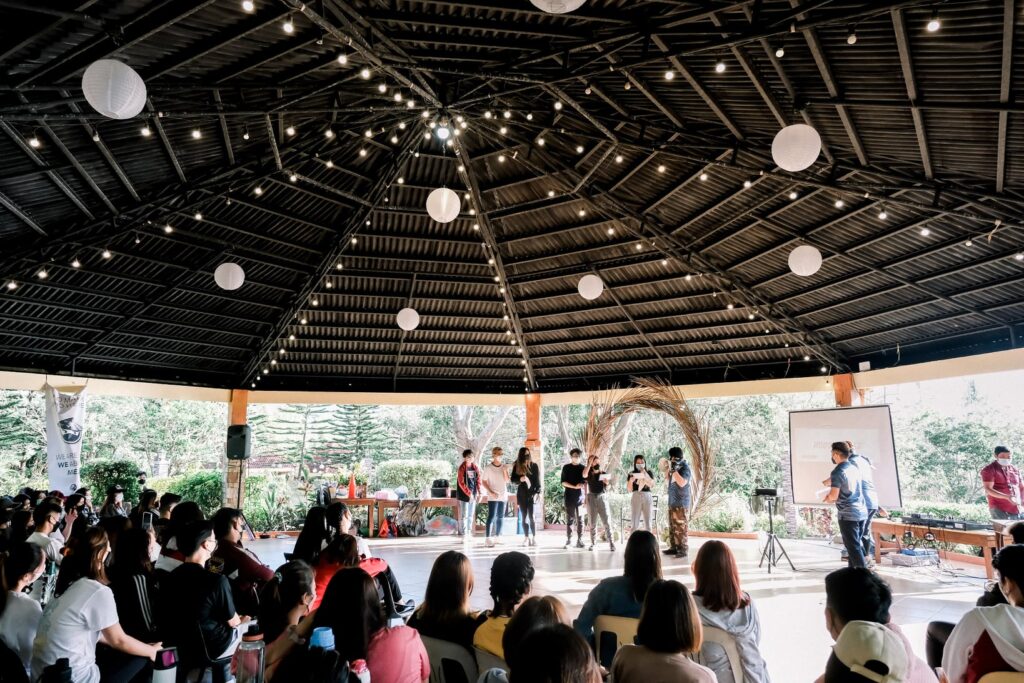
Internal events are aimed exclusively at employees and have the main objective of strengthening team cohesion, communicating strategy, or celebrating achievements. They have experienced the most growth in recent years within business strategies, especially in companies with distributed teams or hybrid work models.
Team buildings
Team building is probably the most well-known type of corporate event. Its objective is clear: to improve communication, trust, and collaboration among team members through shared activities. The average budget for a team building ranges from €50 to €150 per person. If you're looking for concrete inspiration, you can check our article on team building ideas for companies in Barcelona or in Madrid.
Offsites and company retreats
An offsite takes the team out of the office for one or several days to combine strategic work with cohesion activities. The typical investment for a 2-3 day offsite hovers around €200 to €500 per person, including accommodation, meals, and activities. 78% of companies that organise this type of retreat report improvements in team morale and reduced burnout.
Kick-offs and all-hands
Kick-offs mark the start of a new period (quarter, year, project) and serve to align the entire team with common objectives. The budget varies from practically zero if held internally to €80-150 per person if it includes catering, audiovisual production, and a different venue.
Internal celebrations
Christmas parties, summer dinners, company anniversaries, or milestone celebrations. The budget for a celebration usually ranges between €60 and €300 per person, depending on the type of experience: a dinner in a private restaurant, a themed party with entertainment, or an exclusive gastronomic experience.
External events: relationships that generate business
External events are aimed at audiences outside the organisation: current clients, potential clients, partners, or media. Their main objective is to generate or strengthen business relationships.
Events with clients
From intimate executive breakfasts to large networking events, meetings with clients allow for strengthening relationships beyond the commercial transaction. The budget can range from €80 per person for a business breakfast to €300 or more for premium experiences.
Product launches
When you have something new to show the market, a launch event generates excitement, gathers direct feedback, and creates content for your communication channels. They can be in-person, virtual, or hybrid.
Fairs and congresses
Participating as an exhibitor or attendee at industry fairs remains a relevant way to generate qualified leads. Spain is a global reference in this type of event: Barcelona and Madrid rank among the top conference destinations in the world according to the ICCA ranking.
Training events: knowledge that transforms
Continuous training is a benefit valued by employees and a competitive necessity for companies.
Workshops and internal training
Practical sessions where the team acquires new skills or knowledge. A training day with an external specialist can cost between €2,000-5,000 for groups of 10-20 people.
Conferences and seminars
The hybrid format has gained traction: 18% of corporate events in 2024 combined in-person and virtual attendance, with a forecast of reaching 25% in 2025.
Conventions: the great annual meeting
Conventions are large-scale events that bring together the entire organisation for one or several days. The budget per person usually ranges between €300 and €800. At Meetreal, a dedicated event planner takes care of all coordination — from venue search to vendor management — so you can focus on the content and objectives of the event.
Hybrid and virtual events
Virtual events eliminate geographical barriers and reduce travel costs. 57% of corporate events incorporate virtual components. A well-produced virtual event can cost between €3,000 and €15,000, depending on complexity.
How to choose the right type of event
Before deciding on the format, define the main objective, identify your audience, establish the available budget, and assess the necessary planning time. Spanish companies allocate an average of €379 per attendee to corporate events.
Frequently asked questions
How many corporate events should I organise a year?
Most companies with an active culture organise between 4 and 8 internal events per year: a kick-off per quarter, 1-2 team buildings, and occasional celebrations (Christmas, summer).
What type of event has the best ROI?
For engagement and retention, well-designed offsites and team buildings show measurable results. 95% of event teams prioritised measuring ROI in 2024.
Is it better to organise events internally or with external help?
It depends on the frequency and complexity. If you prefer to receive comparable proposals in less than 48 hours without chasing vendors one by one, Meetreal centralises the entire process.
How to measure the success of a corporate event?
Define KPIs before the event: attendance, satisfaction surveys (NPS), participation in activities, leads generated, and follow-up metrics. What is not measured cannot be improved.